Contingency in the Course of International Law
14 - 16 June 2018, University of Amsterdam
This workshop asked a question that is deceptive in its simplicity: How might international law have been otherwise?
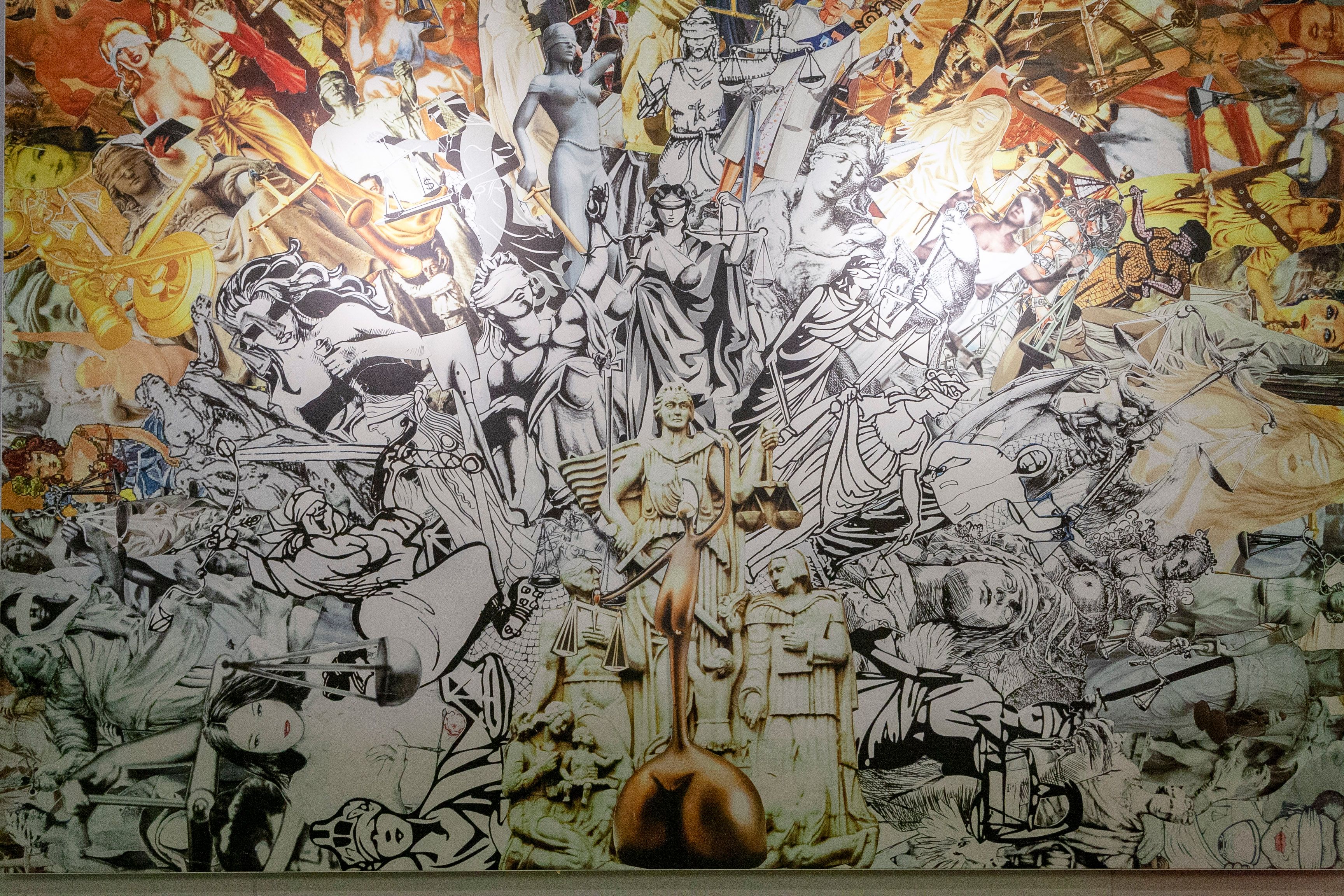
This conference was organised by ACIL in the framework of Law and Justice Across Borders .
We wanted to question the present state of international law by challenging its pretence to necessity and by better understanding the forces that have shaped it. Put simply with Robert Musil: "If there is a sense of reality, there must also be a sense of possibility.” The overarching aim was to expose the contingencies of international law’s development by inquiring into international law’s past. Such inquiries may be of systematic purport – asking, for example, how a different conception of the sources of international law could have emerged. Or they may focus on specific areas of the law, asking questions like whether the idea of state crimes could have taken hold or whether the NIEO could have achieved greater success. International law’s past is almost certainly ripe with possibilities that we have forgotten. The workshop sought to reveal and remember them.
Videos of the conference
Welcome by André Nollkaemper, Dean and Professor of Public International Law at the Faculty of Law
Introduction by Ingo Venzke, Director of the Amsterdam Center for International Law
Keynote by Fleur Johns, Professor, Associate Dean, UNSW Law
Closing address by Samuel Moyn, Professor of Law and History, Yale
Keynote speaker
Fleur Johns, UNSW
Fleur Johns works in the areas of public international law and legal theory. Fleur studies patterns of governance on the global plane, employing an interdisciplinary approach that draws on the social sciences and humanities and combines the study of public and private law.
Closing Address
Samuel Moyn, Yale University
Samuel Moyn's areas of interest in legal scholarship include international law, human rights, the law of war, and legal thought, in both historical and current perspective. In intellectual history, he has worked on a diverse range of subjects, especially twentieth-century European moral and political theory.