The application of the African Charter on Human and Peoples’ Rights in constitutional litigation in Benin
Online lecture
- Date
- 12 February 2026
- Time
- 14:00 -15:30
Abstract
The paper asks whether the way the Benin Constitutional Court invokes and applies the African Charter on Human and Peoples’ Rights (African Charter) provides good prospects for improving the quality of the judicial protection of human rights. The Benin Constitution is the only African constitution to explicitly incorporate/constitutionalise the African Charter thus raising expectations that the Benin Constitutional Court (BCC) would leverage this continental emancipatory legal instrument to expunge human rights unfriendly legal norms from the Benin legal system. The functional and ideological proximity between the Court, on the one hand, and the African Commission and African Court on Human and Peoples’ Rights as continental bodies tasked with adjudicating human rights petitions, on the other, made also possible for the BCC to engage with them through a jurisprudential dialogue aimed to improve the quality of human rights protection in Benin. However, looking at the practice of invoking and applying the African Charter in the jurisprudence of the BCC, the latter has not fully utilised the African Charter so it could assist the Court in expunging critical human rights-unfriendly legislation, practices and behaviours. Its relationship with the African Court has also been characterised with jurisprudential backlashes as the BCC has resisted yielding to the African Court’s interpretive authority over the Charter. This poses serious challenges to the consolidation of an anti-authoritarian regional/constitutional justice and casts doubt on the ability of national and regional constitutional justice mechanisms to work in unison to counter what may appear as the emergence of illiberal constitutional practices and norms.
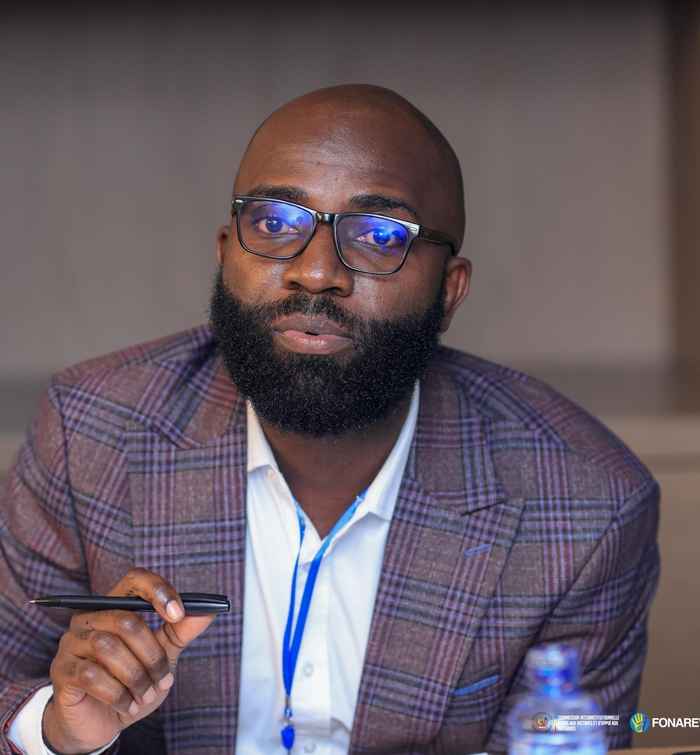
Bio: Dr Trésor Muhindo Makunya
Trésor Muhindo Makunya is an Associate Professor at the University of Goma and a Senior Researcher at the South African Research Chair in International Constitutional Law at the Faculty of Law, University of Pretoria, where he teaches in the Master’s Programme in Human Rights and Democratisation in Africa. He also serves as Co-Editor of the African Human Rights Yearbook, Convening Editor of the African Court Law Report, and is a member of the Editorial Board of the Pretoria University Law Press. In addition to his academic roles, he sits on the Scientific Committee of the DRC Presidential Commission for the International Recognition of the Genocide perpetrated in the Democratic Republic of the Congo and serves as an Expert with the DRC’s International Justice Task Force. He previously was a Senior Visiting Researcher at Humboldt University and Free University of Berlin and a Fellow at the Louvain Global College of Law, Catholic University of Louvain.
Chair: Joëlle Trampert
Discussant: Edward Murimi